What Is Pediatric Eye Screening?
Pediatric eye screening is a simple way to check a child’s vision and eye health. It helps find problems early, even before symptoms appear. Because children may not notice or share vision issues, regular screening is important. Early eye checks for children can spot conditions that may affect learning and development. According to the CDC, early detection is key to preventing childhood vision loss.
Why Early Eye Checks Are Important for Children
Early eye checks for children help catch vision problems before they get worse. For example, some issues, like lazy eye, are easier to treat when found early. If left untreated, these problems can affect school performance and daily life. Moreover, early screening supports healthy eye development. As a result, children can see clearly and learn better. The WHO recommends regular eye exams for all children.
Common Symptoms and Warning Signs of Vision Problems in Children
Sometimes, children may not say they have trouble seeing. However, parents can watch for warning signs, such as:
Therefore, if you notice any of these signs, schedule a pediatric eye screening soon.
How Pediatric Eye Screening Is Performed
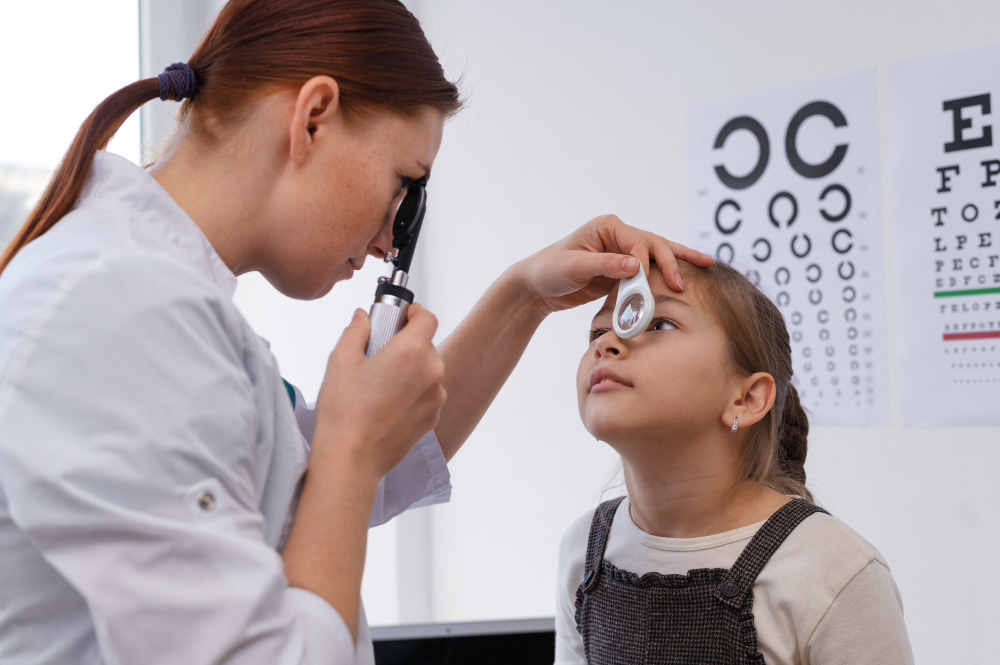
Pediatric eye screening is quick and painless. First, the eye care specialist may ask about your child’s health and family history. Next, they use simple tests to check vision, eye movement, and alignment. For young children, picture charts or lights may be used instead of letter charts. Sometimes, special tools help look inside the eyes. Because the process is gentle, most children feel comfortable during the exam.
Recommended Screening Ages and Frequency
Experts suggest regular eye checks for children at certain ages. The American Academy of Ophthalmology recommends:
However, children with risk factors may need more frequent checks. Always follow your doctor’s advice for your child’s needs.
Benefits of Early Detection and Intervention
Early detection of vision problems can prevent permanent vision loss. For instance, treating issues like crossed eyes or lazy eye early can lead to better results. In addition, children who see well are more likely to do well in school and sports. Early intervention also helps build confidence and social skills. Therefore, regular pediatric eye screening is a smart step for your child’s future.
Tips for Parents to Support Children’s Eye Health
Parents play a big role in protecting children’s vision. Here are some helpful tips:
By following these steps, you can help prevent childhood vision loss.
Prevention Strategies for Childhood Vision Problems
While not all vision problems can be prevented, some steps can lower the risk. For example, regular pediatric eye screening helps catch issues early. In addition, teaching children not to rub their eyes and to wash hands often can prevent infections. Make sure your home and play areas are safe to avoid eye injuries. Finally, keep up with routine health checkups and vaccinations, as some illnesses can affect vision.
Conclusion: Take Action for Your Child’s Vision
In summary, pediatric eye screening is vital for children’s vision health. Early eye checks for children help prevent vision loss and support learning. If you have concerns or notice warning signs, consult an eye care specialist Dr.Mihir Paranjpe. Regular screenings and healthy habits can protect your child’s sight for life.