
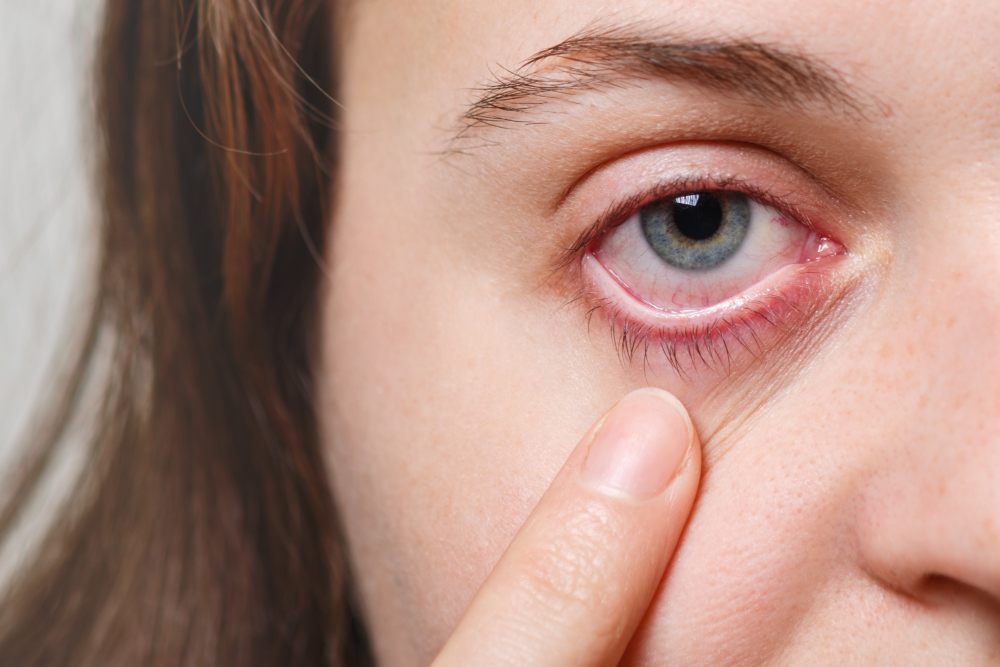
What is Conjunctivitis?
Conjunctivitis, also called pink eye, is a common eye problem. It happens when the thin layer covering the white part of your eye becomes swollen or red. This layer is called the conjunctiva. Because of this, your eyes may look pink or red. Many people get conjunctivitis at least once in their lives. Although it is often mild, it can spread easily. For this reason, knowing about conjunctivitis is important for everyone.
Causes of Conjunctivitis
There are several reasons why you might get conjunctivitis. Understanding the cause can help you treat it better. Here are the main causes:
Because conjunctivitis can have different causes, it is important to know which type you have.
Common Symptoms
Conjunctivitis often shows clear signs. However, symptoms can vary depending on the cause. Watch for these pink eye symptoms:
Sometimes, you may also have mild pain or blurred vision. If symptoms are severe or last more than a few days, you should see a doctor.
How Conjunctivitis is Diagnosed
Doctors can usually diagnose conjunctivitis by looking at your eyes and asking about your symptoms. In some cases, they may take a small sample of the discharge to find out if bacteria or viruses are causing the problem. This helps them choose the best treatment. Usually, no special tests are needed. However, if your symptoms are unusual or do not improve, more tests may be done.
Treatment Options
Treatment for conjunctivitis depends on the cause. Here are some common options:
Because some types of conjunctivitis are very contagious, you should avoid touching your eyes and wash your hands often.
How to Protect Your Eyes and Prevent Conjunctivitis
Preventing eye infections like conjunctivitis is possible with simple steps. Here are some practical tips on how to avoid conjunctivitis:
Because conjunctivitis spreads easily, these steps help protect both you and others. For children, teach them to wash their hands and not to touch their eyes.
Summary
In short, conjunctivitis is a common eye problem with many causes. It can make your eyes red, itchy, or watery. While some types are mild, others can spread quickly. However, with good hygiene and simple steps, you can lower your risk. If you notice pink eye symptoms, see a doctor for the right treatment. Consult an eye specialist Dr. Mihir Paranjpe for personalized advice on conjunctivitis.