What Are Pediatric Cataracts?
Pediatric cataracts are cloudy areas in the lens of a child’s eye. Because the lens should be clear, any cloudiness can block light and blur vision. Childhood cataracts can affect one or both eyes. Sometimes, they are present at birth. Other times, they develop later. Early detection is important, as untreated cataracts can lead to vision loss. Cataract treatment in children is different from adults, so special care is needed.
Symptoms of Pediatric Cataracts
Often, symptoms of pediatric cataracts are hard to notice. However, parents and caregivers should watch for these signs:
Because children may not complain about vision problems, regular eye checks are important. Early symptoms can be subtle, but quick action helps protect childhood eye health.
Causes and Risk Factors
Pediatric cataracts can have many causes. Some children are born with them, while others develop them later. Common causes and risk factors include:
Although not all causes can be prevented, knowing the risks helps parents stay alert. If a family member had cataracts as a child, regular eye exams are even more important.
Diagnosis of Pediatric Cataracts
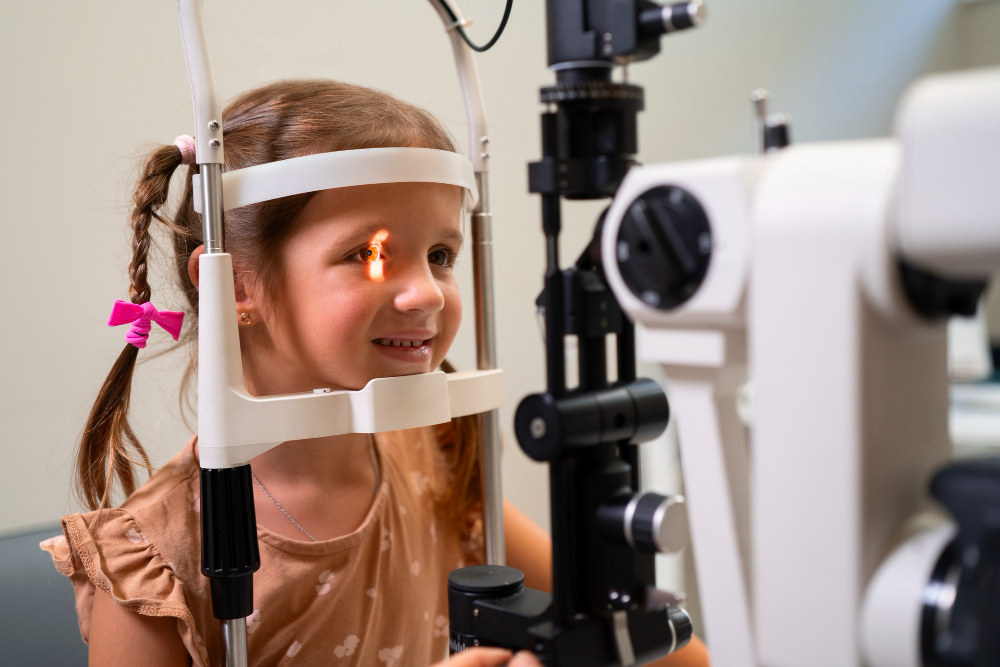
Early diagnosis is key for good vision. Eye doctors use several methods to check for cataracts in children. For example, they may use a bright light to look at the lens. They also check how well the eyes move and focus. Sometimes, special tests or pictures of the eye are needed. If a doctor finds a cataract, they will talk about the best next steps. Quick diagnosis can help prevent lasting vision problems.
Treatment Options for Pediatric Cataracts
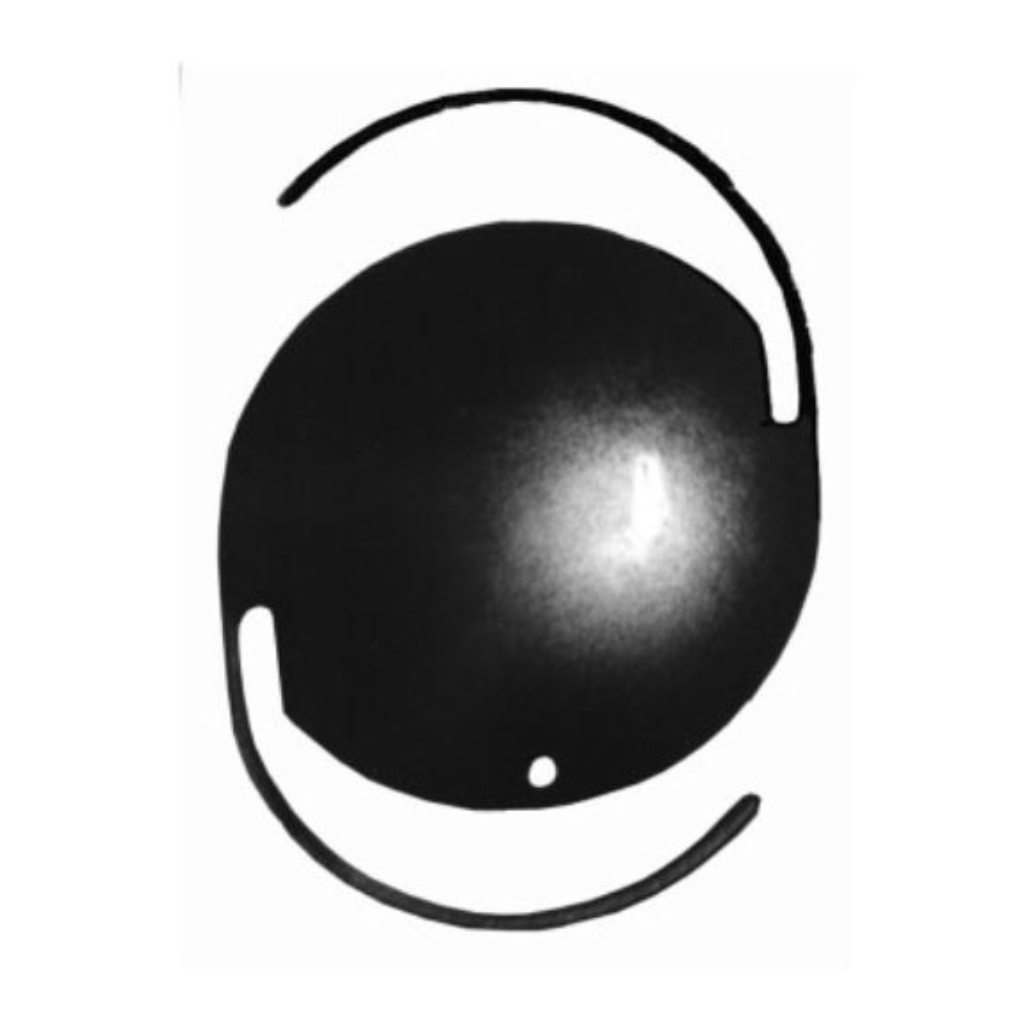
Treatment depends on the size and location of the cataract. In some cases, if the cataract is small and does not block vision, doctors may just monitor it. However, if vision is affected, surgery is often needed. Cataract surgery in children is safe and common. During surgery, the cloudy lens is removed. Sometimes, an artificial lens is placed in the eye. After surgery, children may need glasses or contact lenses to help them see clearly. Because every child is different, treatment plans are made just for them.
Recovery and Aftercare
After cataract surgery, children need special care. Doctors will give eye drops to prevent infection and reduce swelling. Follow-up visits are important to check healing and vision. Children may need to wear an eye patch for a short time. Glasses or contact lenses help improve sight after surgery. With proper care, most children recover well and can see better. Parents should watch for any redness, pain, or changes in vision and report these to the doctor right away.
Prevention and Early Detection
While not all pediatric cataracts can be prevented, some steps can help. For example, pregnant women should get regular check-ups and vaccines to avoid infections. Protecting children’s eyes from injury also lowers risk. Early detection is key. Regular eye exams for babies and children help find problems early. If a child has a family history of cataracts, more frequent checks may be needed. Early action can make a big difference in childhood eye health.
When to See an Eye Specialist
“If you notice any changes in your child’s eyes or vision, see an eye specialist right away. Signs like a white spot in the eye, crossed eyes, or poor vision should not be ignored. Even if there are no symptoms, regular eye exams are important. Early visits to a pediatric ophthalmologist can help protect your child’s sight. Remember, quick treatment leads to better outcomes.
For personalized advice on cataract treatment in children, consult a pediatric ophthalmologist at Nayantara Eye Clinic. Early care can help your child see the world clearly.”