Introduction
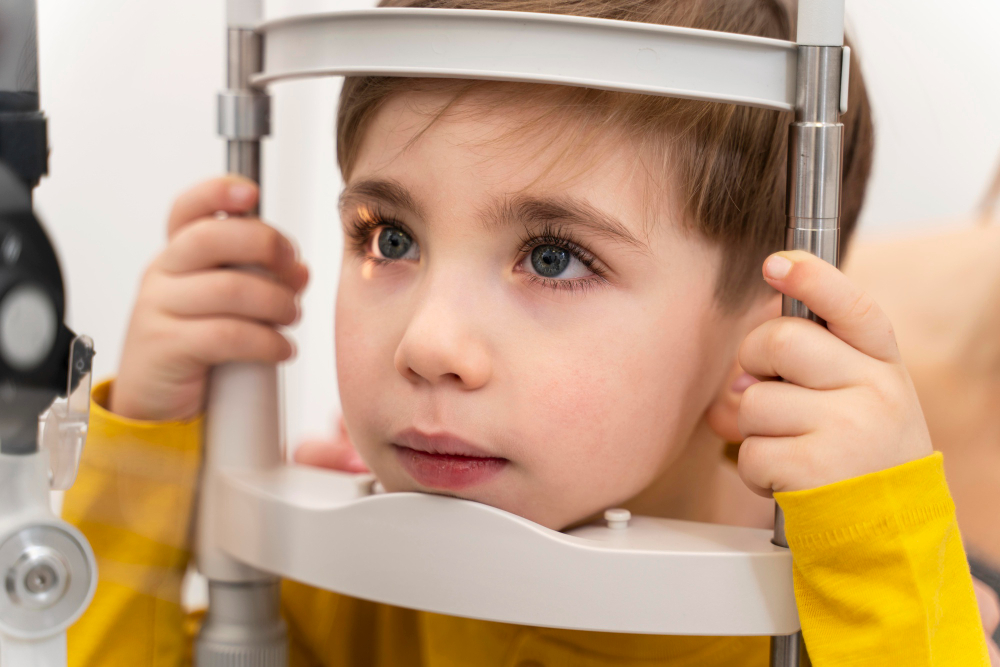
Early eye screening for children is a simple check-up to spot vision problems before they get worse. This screening helps find eye issues early, even if your child has no symptoms. Because children’s eye health is so important, regular checks can make a big difference. Early detection of eye conditions in children can prevent problems later in life. In many cases, children may not know they have trouble seeing. That is why early screening is key.
Why Early Eye Screening Matters
Many vision problems in kids start young. However, they may not complain or notice changes. If left untreated, these issues can affect learning and development. For example, poor vision can make reading and playing sports harder. Early screening helps catch problems before they impact your child’s life. According to the CDC, early treatment can prevent half of all childhood vision loss. Therefore, regular pediatric eye screening is essential.
Common Childhood Eye Problems Detected Early
Early eye screening for children can find several common issues, such as:
Because these problems can be hard to spot, screening is very important. Early detection of eye conditions in children leads to better outcomes.
Recommended Screening Ages and Guidelines
Experts suggest regular eye checks at certain ages. The American Academy of Ophthalmology and the CDC recommend:
In some regions, schools offer vision checks. However, parents should still schedule regular exams with an eye doctor. If your child was born early or has a family history of eye problems, they may need more frequent checks.
What to Expect During a Child’s Eye Screening
During a pediatric eye screening, the doctor will:
Most screenings are quick and painless. If the doctor finds a problem, they may suggest more tests or treatment.
Benefits of Early Detection and Treatment
Early detection of eye conditions in children offers many benefits. For instance, it can:
Because treatment works best when started early, regular screening is vital.
Tips for Parents to Support Children’s Eye Health
Parents play a big role in protecting children’s eye health. Here are some tips:
If you notice any changes in your child’s vision, contact an eye doctor right away.
Prevention and Lifestyle Guidance
While not all eye problems can be prevented, healthy habits help. For example, teach your child to:
Additionally, keep sharp objects and harmful chemicals away from children’s reach. These steps can lower the risk of eye injuries and infections.
Conclusion and Call-to-Action
“Early eye screening for children is a simple way to protect your child’s vision. Because many eye problems start young, regular checks are important. Early detection and treatment can prevent lifelong vision issues. Therefore, consult a pediatric eye specialist at Nayantara Eye Clinic for personalized advice on your child’s vision health.”