What Are Retinal Diseases?
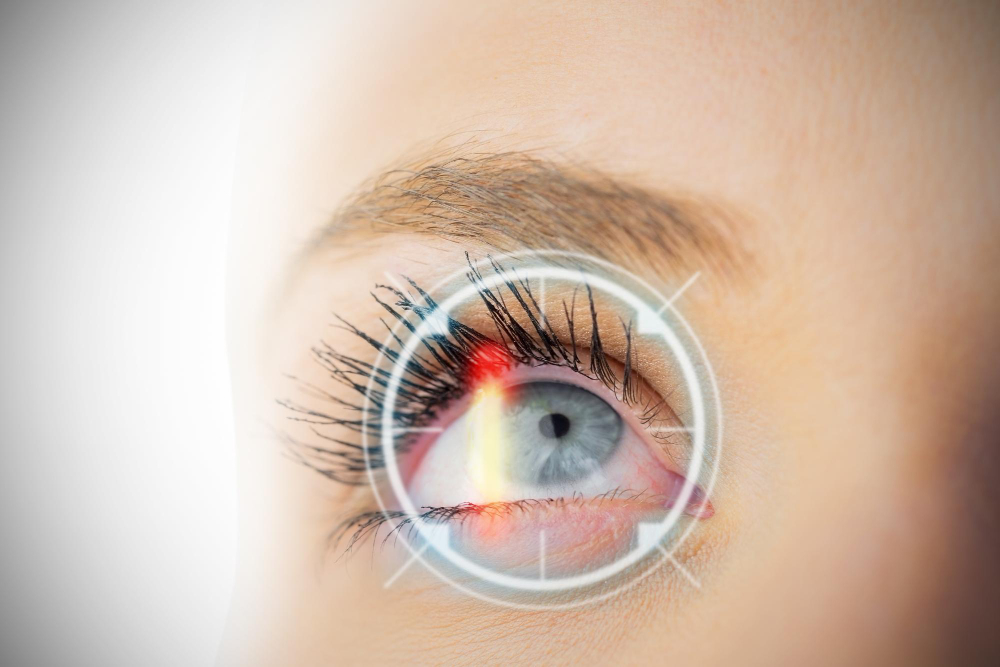
Retinal diseases are problems that affect the retina, which is the thin layer at the back of your eye. The retina helps you see by sending signals to your brain. Because the retina is so important, any damage can lead to vision loss. For this reason, learning about retinal diseases is key to protecting your eyesight.
Common Retinal Conditions That Affect Vision
Several retinal diseases can harm your vision. Each condition has its own causes and effects. However, all of them need quick attention. Here are some of the most common retinal conditions:
Symptoms and Warning Signs
Early signs of retinal diseases can be easy to miss. Still, paying attention to your vision can help you spot problems early. Watch for these symptoms:
Because these symptoms can signal serious issues, you should see an eye doctor if you notice any changes.
Causes and Risk Factors
Many things can raise your risk for retinal diseases. Some you can control, while others you cannot. For example, age and family history play a role. But lifestyle choices matter too. Here are common causes and risk factors:
Because some risks can be managed, healthy habits may help protect your eyes.
Diagnosis and Screening Methods
Early diagnosis of retinal diseases can save your sight. Therefore, regular eye exams are important. Eye doctors use several tests to check your retina, such as:
Because some retinal diseases have no early symptoms, regular screening is key, especially if you have risk factors.
Treatment Options
Treating retinal diseases depends on the type and stage of the condition. However, early treatment often leads to better results. Common treatments include:
Because each case is different, your eye doctor will suggest the best treatment for you.
Prevention and Lifestyle Tips
While not all retinal diseases can be prevented, you can lower your risk with healthy habits. For example, you can:
Because prevention is easier than treatment, these steps can help keep your eyes healthy.
When to See an Eye Specialist
If you notice changes in your vision, do not wait. For example, sudden vision loss, flashes of light, or new floaters are warning signs. Even if you have no symptoms, regular eye check-ups are important, especially if you have diabetes or a family history of eye diseases. Early care can prevent serious problems.
If you notice changes in your vision, consult an eye specialist Dr. Mihir Paranjpe for personalized advice.