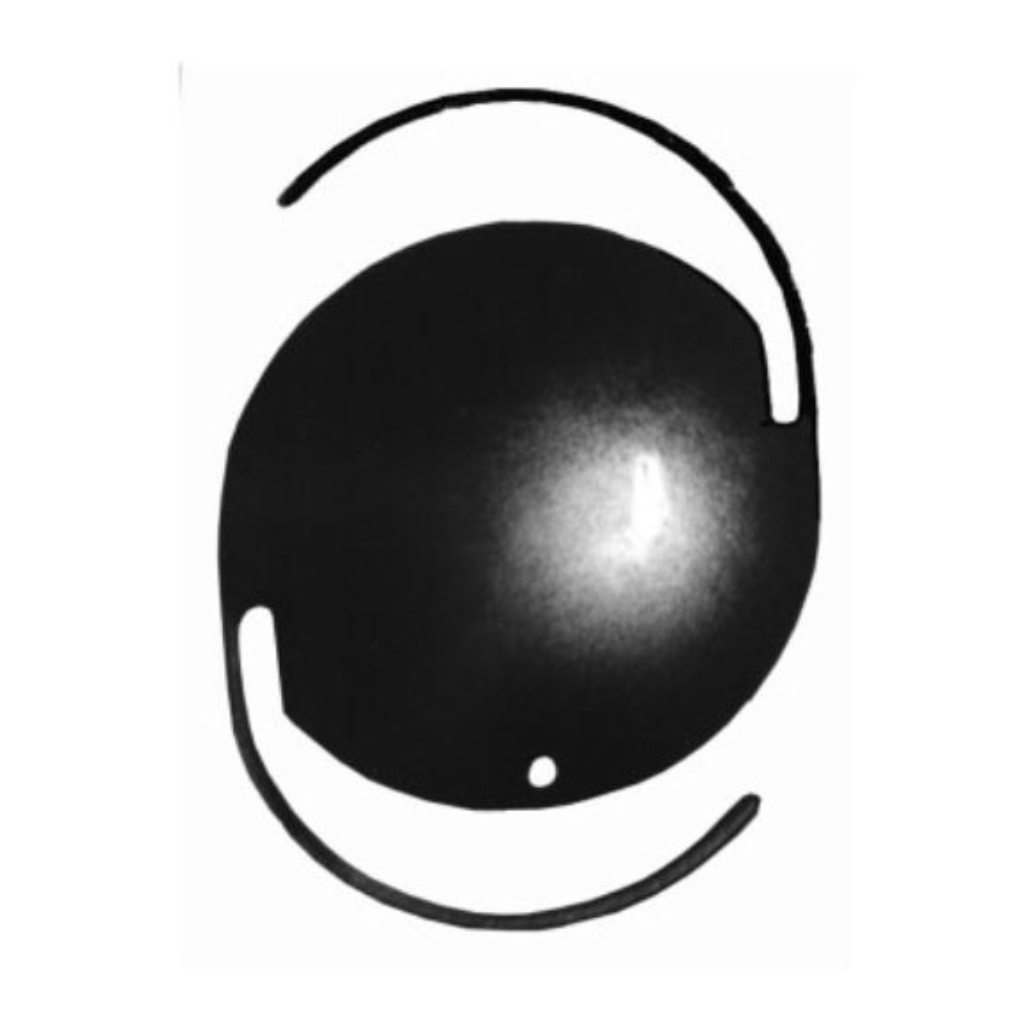

Phacoemulsification surgery is a modern way to treat cataracts and restore clear vision. Many people lose sight because of cataracts, but this surgery can help. In fact, phacoemulsification for cataracts is one of the safest and most common eye surgeries today. If you want to restore clear vision after cataract surgery, this guide will explain how the procedure works and what you can expect.
What Is Phacoemulsification Surgery?
Phacoemulsification surgery is a type of eye surgery. Doctors use it to remove cloudy lenses caused by cataracts. During the procedure, the doctor uses a small device that breaks up the cloudy lens with ultrasound waves. Then, the cloudy pieces are removed, and a clear artificial lens is placed in your eye. Because the cuts are very small, healing is often quick and comfortable. This safe eye surgery option helps many people see clearly again.
Common Causes of Vision Loss Treated by Phacoemulsification
Most often, phacoemulsification surgery treats cataracts. Cataracts cause the lens of your eye to become cloudy. As a result, you may notice blurry vision, glare, or trouble seeing at night. According to the World Health Organization, cataracts are a leading cause of vision loss worldwide. Other causes, like certain eye injuries or lens problems, may also be treated with this surgery. However, cataracts remain the main reason for phacoemulsification.
How the Surgery Works: Step-by-Step Overview
Understanding the steps can help you feel more at ease. Here is a simple overview of phacoemulsification surgery:
Because the cut is so small, stitches are rarely needed. Most people go home the same day.
Benefits of Phacoemulsification Surgery
There are many reasons why people choose phacoemulsification for cataracts. Some key benefits include:
For many, this surgery brings back the ability to read, drive, and enjoy daily life.
What to Expect: Preparation, Procedure, and Recovery
Before Surgery
During Surgery
Usually, the procedure takes less than 30 minutes. You will be awake, but your eye will not feel pain. The doctor will talk you through each step.
After Surgery
Risks and Possible Complications
While phacoemulsification is very safe, all surgeries have some risks. Possible complications include:
However, most people recover without problems. If you notice pain, vision loss, or severe redness, contact your doctor right away. The CDC and leading eye experts agree that this surgery is safe for most people.
Tips for Maintaining Clear Vision After Surgery
After phacoemulsification surgery, you can help keep your eyes healthy by following these tips:
With proper care, you can enjoy clear vision for years to come.
Conclusion
Phacoemulsification surgery is a safe and effective procedure to restore clear vision after cataracts. Many patients experience improved sight and return to their daily activities with greater comfort. Consult Dr. Mihir Paranjpe for a comprehensive eye evaluation, personalized cataract care, and expert guidance on whether phacoemulsification surgery is the right choice for you.