Introduction
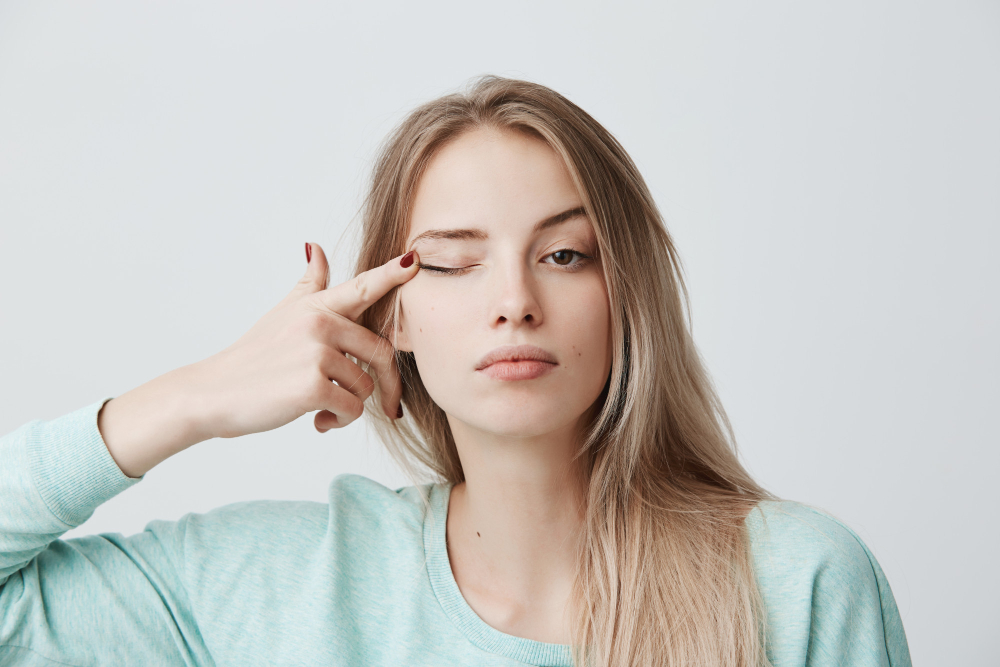
Many people wonder how to fix droopy eyelids. Droopy eyelids, also called ptosis, happen when the upper eyelid sags over the eye. Sometimes, this can block vision or make eyes look tired. Although droopy eyelids are common as we age, they can also appear in children or young adults. In many cases, knowing the cause helps guide the best droopy eyelid treatment. Understanding your options is important for both health and appearance.
Common Causes of Droopy Eyelids
Droopy eyelids can happen for many reasons. Often, the cause is harmless, but sometimes it signals a health problem. For example, aging is a leading cause. As we get older, the muscles that lift the eyelid can weaken. However, other factors can also play a role:
According to the American Academy of Ophthalmology, most cases are not serious, but some need quick medical care.
Symptoms and When to Seek Help
Droopy eyelids may seem like a small problem. However, they can affect daily life. For instance, you may notice:
Sometimes, droopy eyelids develop slowly. But if you notice sudden changes, double vision, or pain, seek help right away. These signs may point to a serious problem. The CDC recommends seeing an eye doctor if droopy eyelids affect your vision or quality of life.
Diagnosis: How Doctors Assess Droopy Eyelids
Doctors use several steps to diagnose droopy eyelids. First, they ask about your symptoms and medical history. Next, they examine your eyes and eyelids closely. Often, they measure how much the eyelid droops. In some cases, doctors may check your eye movements or test your vision. If needed, they may order blood tests or scans to rule out nerve or muscle problems. According to peer-reviewed ophthalmology journals, a careful exam helps find the best treatment plan.
Treatment Options for Droopy Eyelids
There are many ways to treat droopy eyelids. The right choice depends on the cause and how much it affects you. Sometimes, no treatment is needed if the problem is mild. However, if droopy eyelids block vision or cause discomfort, treatment can help. Here are some common options:
According to the World Health Organization, surgery is safe and effective for most people. Yet, always discuss risks and benefits with your doctor.
Prevention and Lifestyle Tips
While you cannot always prevent droopy eyelids, some steps may help. For example, protecting your eyes from injury can lower your risk. In addition, managing health conditions like diabetes may help prevent nerve problems. Here are some tips:
Although these steps cannot stop all cases, they support overall eye health.
Frequently Asked Questions (FAQs)
Conclusion and Call-to-Action
Droopy eyelids, or ptosis, can affect both vision and appearance. Thankfully, many treatment options exist, from non-surgical remedies to eyelid surgery. While some cases are mild, others need medical care. Therefore, if you notice changes in your eyelids, do not ignore them. Consult an eye specialist at Nayantara Eye Clinic for personalized advice on droopy eyelids. Early care can help protect your eyes and restore your confidence.