Introduction
Good vision is important for every child’s growth and learning. However, common eye problems in children can affect their daily life. Early detection and care help protect children’s eye health. In the United States and worldwide, many families face these issues. This blog explains the most common eye problems in children, their symptoms, causes, and how to prevent eye problems in kids. You will also learn when to seek pediatric eye care and how to support healthy eyes.
Overview of Common Eye Problems in Children
Children can develop several types of eye problems. Some are mild, while others need quick attention. Here are the most common ones:
Each of these problems can affect a child’s vision and learning. But with early care, most can be managed well.
Symptoms and Warning Signs to Watch For
Parents play a key role in spotting eye problems early. Watch for these signs in your child:
If you notice any of these symptoms, it is wise to consult a pediatric eye specialist. Early action can prevent long-term problems.
Causes and Risk Factors
Many factors can lead to eye problems in children. Some are present at birth, while others develop later. For example, family history plays a big role. If parents have vision issues, their children may too. Infections, injuries, or certain illnesses can also cause eye problems. Sometimes, premature birth increases the risk. Additionally, too much screen time may strain young eyes. Knowing these risks helps parents take steps to protect children’s eye health.
Diagnosis and When to Seek Professional Help
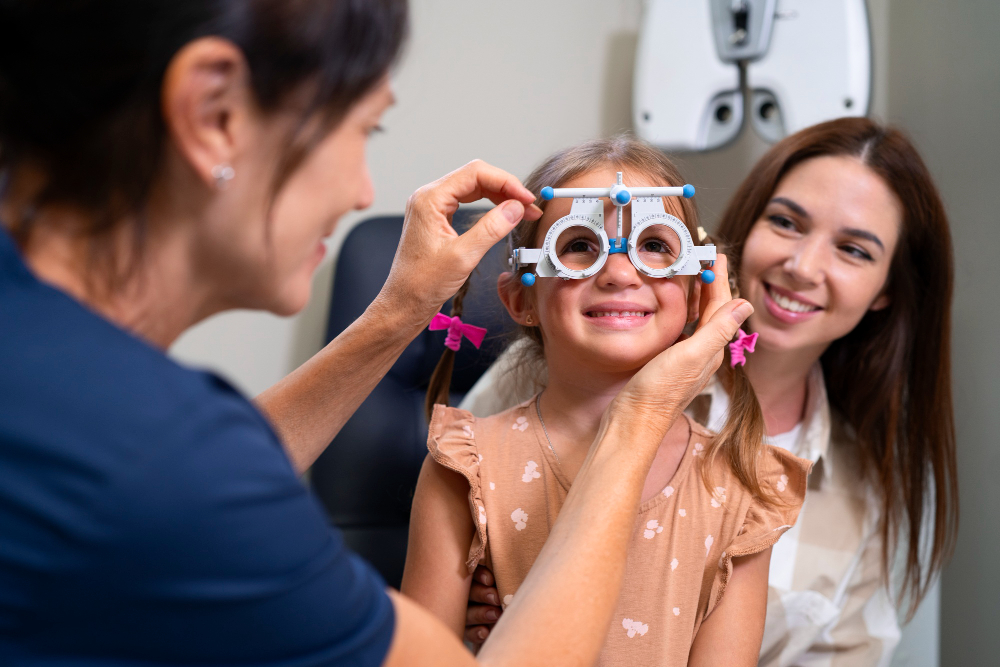
Regular eye exams are important for every child. Pediatric eye care experts use simple tests to check vision and eye alignment. If your child shows warning signs or has a family history of eye problems, schedule an exam soon. Early diagnosis can make treatment easier and more effective. In the United States, many schools offer vision screenings, but a full eye exam is best. If your child complains of pain, sudden vision loss, or has an eye injury, seek help right away.
Treatment Options for Children’s Eye Problems
Treatment depends on the type of eye problem. Here are some common solutions:
Along with medical care, healthy habits support better vision. Encourage outdoor play and limit screen time. Always follow your doctor’s advice for the best results.
Prevention Tips and Healthy Eye Care Habits for Children
While not all eye problems can be prevented, parents can help lower the risk. Try these tips for healthy eyes:
By following these steps, you help support your child’s vision for years to come.
Conclusion
“In summary, common eye problems in children can affect learning and daily life. However, early detection and care make a big difference. Watch for warning signs and schedule regular eye exams. For any concerns, consult a pediatric eye specialist at Nayantara Eye Clinic for personalized advice on your child’s eye health.”